


What happens when giant wizards, kidnapped adventurers, magical tablets, and competitive deckbuilding all crash into the same fantasy battlefield? You get Planks Wars, a planned June 2026 Steam card battler that sounds like someone threw a CCG, a party brawl, and a wizard comedy show into one enchanted blender. And honestly? That may be exactly why it looks so fun.
What Is Planks Wars?
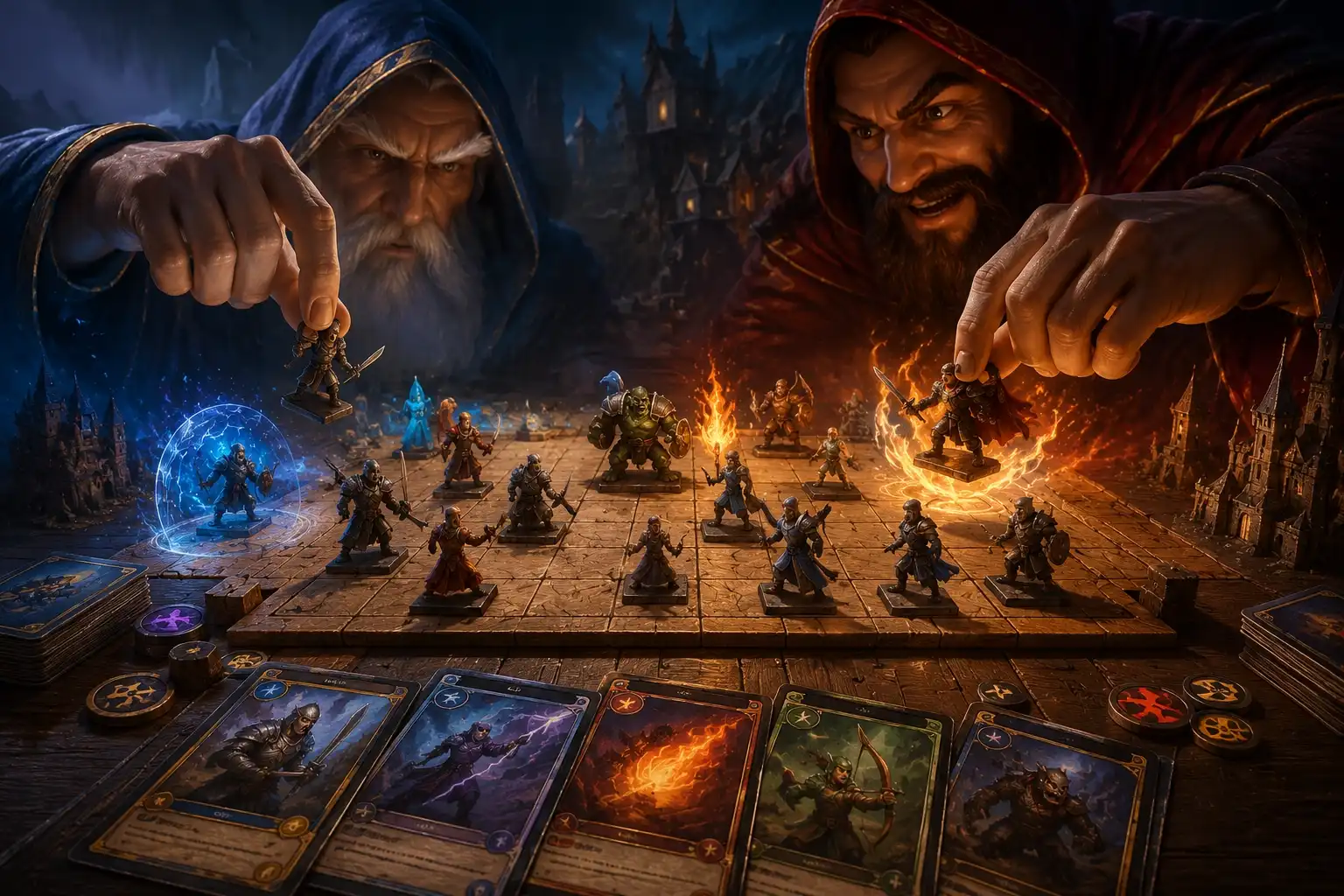
Planks Wars is a fantasy PvP card battler coming to Steam, built around fast turn-based matches, CCG-style deckbuilding, and a wonderfully ridiculous premise: enormous sorcerers are using captured adventurers as pawns in a competitive tournament.
Yes, instead of simply casting fireballs at each other like normal magical adults, these 200-foot-tall wizards apparently decided that the better option was to kidnap heroes, place them on a Warboard, and make them fight for glory. Is it ethical? Probably not. Is it hilarious? Absolutely.
The game aims to mix the strategic satisfaction of collectible card game deckbuilding with the snappy pace of short PvP battles. Rather than spending half an evening locked in one drawn-out match, players can expect quick 5, 10 minute card battles where every decision matters and every mistake can become a tiny tragedy carved into magical wood.
At its heart, Planks Wars is about building a smart party, drawing the right tablets, sequencing commands, and watching your miniature heroes attempt to survive the chaos created by oversized spellcasters with questionable hobbies.
CCG Strategy Without the Wallet War
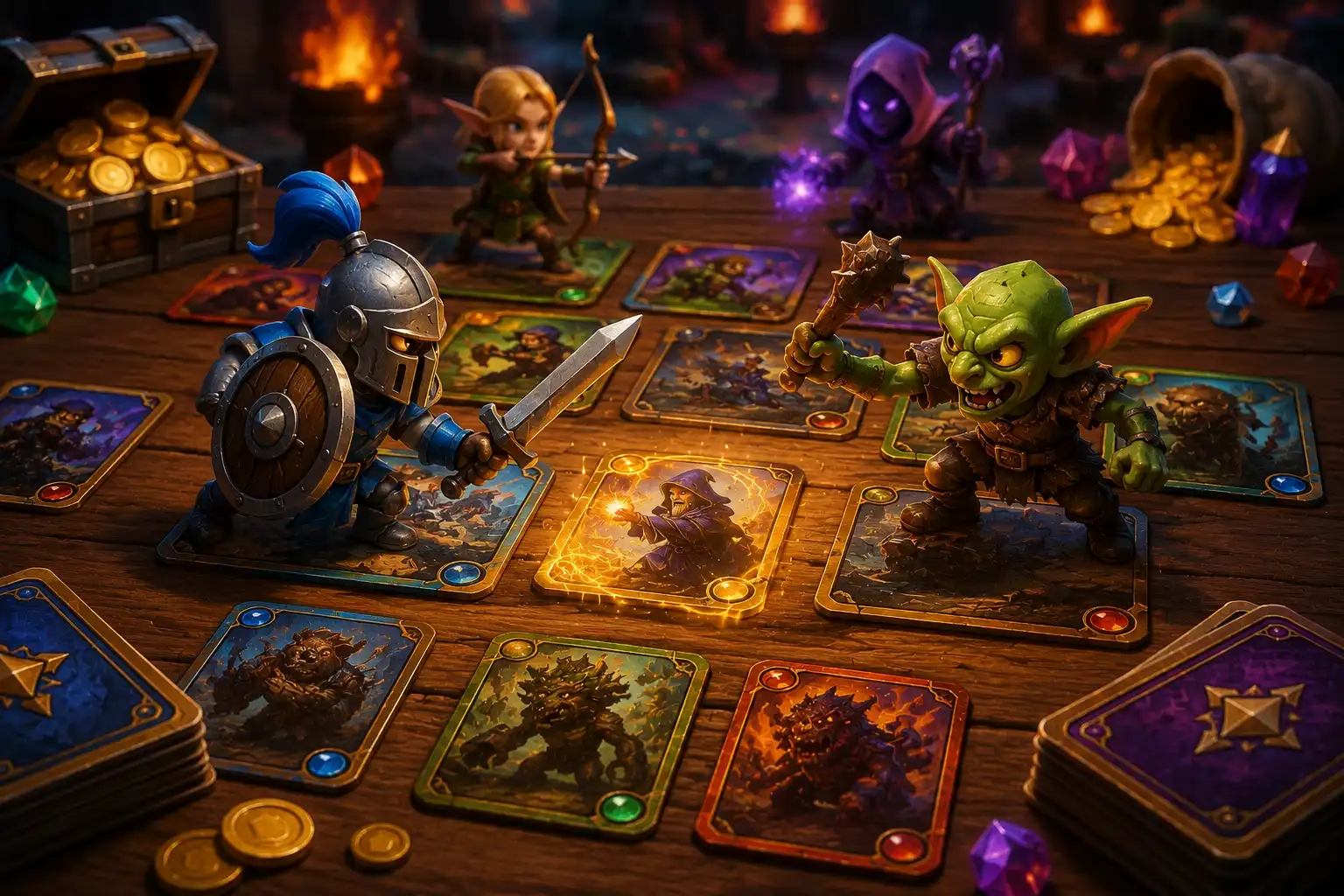
One of the most attractive things about Planks Wars is its “no pay-to-win” angle. In a genre where players are often nervous about expensive card packs, power creep, and endless grinding, Planks Wars is positioning itself around skill-first competition.
That matters.
Digital card games are at their best when victory feels earned. Nobody wants to lose because their opponent’s credit card had better stats. Players want to lose because they misplayed, misread the board, got baited, or forgot that one tiny goblin with a suspiciously large stick could ruin their whole strategy.
Planks Wars seems to understand that appeal. Its promise of no in-app purchases and no pay-to-win design gives the game a cleaner competitive identity. The message is simple: bring your brain, not your bank account.
For players tired of card battlers where the meta can feel like a shopping list, that alone could be a major reason to wishlist it.
Quick Info Table
| Feature | Details |
|---|---|
| Game Name | Planks Wars |
| Genre | PvP card battler, strategy, RPG, deckbuilding |
| Platform | Steam / PC |
| Planned Release | June 2026 |
| Core Style | Fantasy CCG-style tactical battles |
| Match Length | Around 5, 10 minutes |
| Main Gimmick | Giant sorcerers use heroes as tournament pawns |
| Monetization Angle | No IAP, no pay-to-win |
| Gameplay Focus | Skill, sequencing, party strategy, tactical choices |
| Starting Content | 60 tablets, 4 heroes, with more planned |
How the Gameplay Works
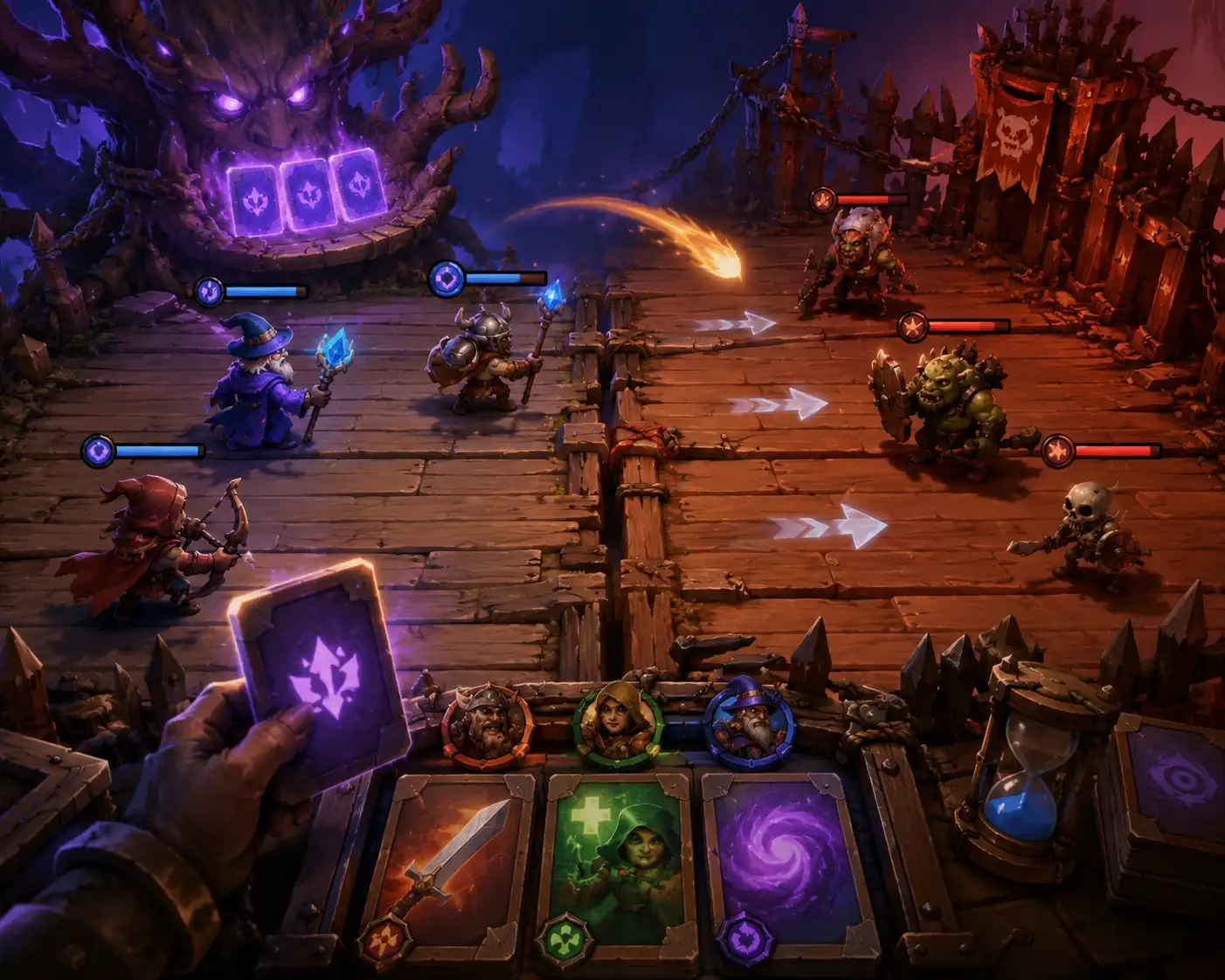
Planks Wars is not just about throwing cards onto the board and hoping the numbers go up. The game’s structure appears to revolve around drawing “tablets” from the Great Black Tree, then using those tablets to command your heroes.
Every turn, players draw three tablets. These tablets are connected to specific heroes, and each hero can only receive one command per turn. That means you cannot simply spam every powerful option at once. You have to think carefully about who acts, when they act, and what the turn order does to the battlefield.
That one-command-per-hero rule is important because it creates constant pressure. You may have a perfect attack card, a useful heal, and a clever utility move, but if they all belong to the same hero, tough luck. Choose your chaos wisely.
The game also includes automatic targeting and lane movement. That makes the basic controls easier to understand, especially for newcomers, while leaving the deeper strategy in the timing, order, and deck choices.
In other words, Planks Wars appears to be aiming for the sweet spot: easy to start, tricky to master, and dangerous enough to make every turn feel like a tiny fantasy disaster waiting to happen.
Why the “Tablet” System Sounds Interesting
Calling the cards “tablets” is more than just flavor. It gives Planks Wars a unique identity in a crowded card battler space. Instead of another game about plain cards, scrolls, or spells, this one builds its fantasy around magical wooden tablets carved from the Great Black Tree.
That gives the gameplay a fun visual and thematic twist. You are not just playing cards; you are issuing strange wooden commands to kidnapped adventurers who may or may not appreciate being part of a wizard tournament.
The sacrifice mechanic also adds another layer. If a tablet is not useful, you can sacrifice it to fuel artifacts and trigger effects such as damage, healing, or mana. That means a bad draw may not be completely useless. Even unwanted options can become fuel for your next big move.
This kind of system can make matches feel more flexible. Instead of staring helplessly at a hand full of cards you cannot use, you get a second path. Do you hold the tablet for later? Use it now? Burn it for resources? Turn it into magical trouble?
That is exactly the sort of decision-making that makes card battlers addictive.
Party-Based Battles Give It RPG Flavor
Another standout idea is the party system. In Planks Wars, players command a team of heroes, reportedly between two and four characters. Your goal is simple: wipe out the enemy party before they do the same to yours.
This gives the game a more RPG-like feeling than traditional one-avatar card battlers. Instead of only managing a deck, you are managing a group. Each hero can have their own tablets, role, strengths, and tactical value.
That party structure could make deckbuilding more interesting. You are not simply asking, “What cards are strong?” You are asking, “Which heroes work together?” and “How do their tablets support one another?”
A good party might include a damage dealer, a support unit, a disruptive trickster, or a durable frontliner. A bad party might include four heroes who all want to do cool things but somehow collapse the moment the opponent looks at them funny.
That is part of the fun. Party-based deckbuilding gives players room to experiment, fail, laugh, rebuild, and eventually discover a team that feels like pure evil in the best possible way.
Fast Matches Could Be a Big Win
The planned 5, 10 minute match length is a smart choice. Modern card game players often want strategic depth, but they also want matches that fit into real life. Not everyone has time for a 45-minute tactical opera every time they open Steam.
Shorter matches can make Planks Wars easier to enjoy in quick sessions. Got ten minutes before dinner? Play a match. Waiting for a friend? Play a match. Supposed to be doing something productive? Definitely do not play a match. Unless you win, in which case it was clearly “mental training.”
Fast matches also help competitive games feel less punishing. Losing a long match can be exhausting. Losing a short match usually creates the dangerous thought: “One more. I can fix this.”
That “one more match” energy is powerful, especially for PvP card battlers. If Planks Wars can make each game feel tactical, funny, and quick, it could become the kind of title players keep returning to between bigger gaming sessions.
The Fantasy Comedy Angle Makes It Stand Out
A lot of card battlers take themselves very seriously. There are ancient gods, cursed kingdoms, cosmic wars, dramatic prophecies, and characters staring intensely into the middle distance.
Planks Wars seems to be taking a different route. Its setting sounds intentionally silly, lighthearted, and self-aware. Giant wizards kidnapping adventurers for a tournament is the kind of premise that immediately tells players, “Yes, this is strategic, but we are also here to have fun.”
That tone could help it stand apart from darker or more traditional fantasy card games. The game’s humor gives it personality before players even enter a match. It creates curiosity. Who are these wizards? Why are they like this? Who approved the tournament rules? Is there a tiny hero union? Are the planks unionized?
Okay, maybe not that last one. But the point stands: the concept is memorable.
In a crowded Steam marketplace, being memorable is half the battle. If players can describe your game in one funny sentence, you have already won attention.
Why No Pay-to-Win Matters for PvP
PvP games live or die by trust. Players need to believe that the match is fair, or at least fair enough that their choices matter. When a card battler becomes too dependent on paid advantages, the competitive thrill can quickly disappear.
Planks Wars’ no-pay-to-win pitch gives it a cleaner competitive promise. If the game sticks to that direction, players can focus on mastering decks, learning matchups, improving sequencing, and experimenting with hero combinations.
That could make the community healthier, too. A skill-first game tends to encourage discussion around strategy rather than frustration around spending. Players can argue about the best hero combinations, the strongest tablet sequencing, or whether sacrificing a tablet for an artifact effect was secretly genius or obviously nonsense.
That kind of debate is good for a PvP game. It keeps people engaged. It creates guides, tier lists, memes, and dramatic forum posts written after someone lost to the same combo three times in a row.
Who Should Keep an Eye on Planks Wars?
Planks Wars looks especially interesting for a few types of players
- CCG fans who enjoy deckbuilding If you like tuning strategies, testing combinations, and finding clever synergies, the tablet and hero system could be appealing.
- PvP players who want quick matches The 5, 10 minute battle format sounds perfect for players who want competition without a huge time commitment.
- Fantasy fans who like comedy The game’s tone is playful and weird, which may be refreshing for anyone tired of ultra-serious fantasy worlds.
- Strategy players who dislike pay-to-win systems The no-IAP, no-pay-to-win approach could make Planks Wars attractive to players who want fairer competition.
- Steam users hunting for something different There are many card battlers, but not many where giant sorcerers command kidnapped adventurers through magical wooden tablets.
Things That Could Make Planks Wars Shine
For Planks Wars to really stand out, it will need more than a funny premise. The strongest card battlers usually succeed because they combine personality with balance, replayability, and satisfying decision-making.
The good news is that the ingredients are promising. The party-based setup gives the game a tactical identity. The tablet system adds flavor and resource decisions. Automatic movement and targeting could reduce beginner frustration. Short matches make it easy to replay. And the no-pay-to-win promise gives the competitive side a strong foundation.
If the heroes feel distinct, the tablets create meaningful choices, and the match pacing stays sharp, Planks Wars could carve out a fun little corner of the Steam card battler scene.
The key will be variety. Players will want more heroes, more tablets, more strategies, and more reasons to keep experimenting after the first few hours. The Steam listing already suggests more content is coming, which is a good sign for long-term potential.
A Weird Wooden War Worth Watching
Planks Wars may not be trying to become the biggest fantasy card game on Earth, but it does look like it knows exactly what kind of game it wants to be: fast, funny, tactical, and fair.
Its mix of PvP card battling, CCG-style deckbuilding, RPG party combat, and absurd wizard drama gives it a strong hook. The no-pay-to-win angle makes it even more attractive, especially for players who want competition based on smart choices instead of spending habits.
The idea of drawing magical tablets, commanding a party of heroes, sacrificing unwanted options for artifact power, and trying to outthink another player in under ten minutes sounds like the kind of chaos card game fans can easily get hooked on.
So, if you enjoy fantasy strategy games, quick PvP battles, deckbuilding experiments, or simply the mental image of gigantic wizards treating adventurers like collectible chess pieces, Planks Wars is one Steam title worth keeping on your radar.
June 2026 could bring a lot of new games, but very few of them will involve magical planks, kidnapped heroes, and sorcerers with a suspiciously organized tournament system. And honestly, that alone deserves attention.