
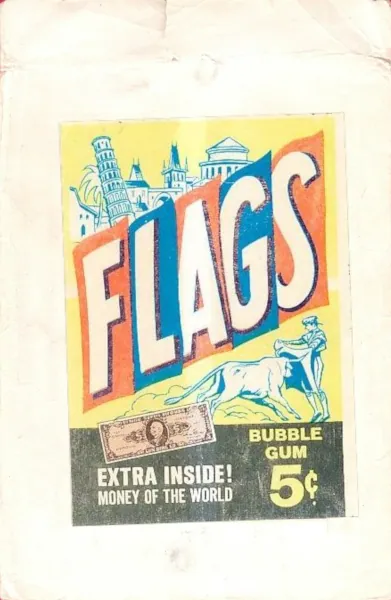
Topps was preparing to issue a new set of flag cards and tested an insert idea of facsimile foreign currency. Apparently either the new cards weren’t ready for the test or Topps was also testing if kids were still interested in flag cards, so they issued the test with reprints of their 1956 “Flags of the World” cards, circa 1968 or 1969. The cards were reprinted at the original size of 3 3/4″ x 2 5/8″ and were issued in a paper envelope with sticker attached to the front.
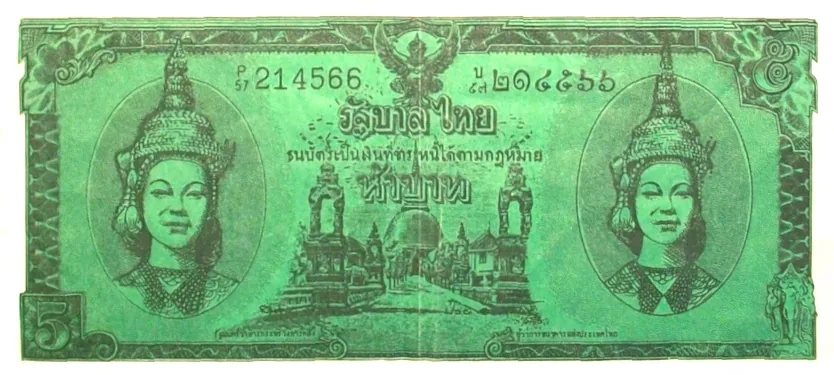
The test cards, currency and wrappers were all found together at a comic shop in Forest Hills, NY in the 1980’s. The foreign currency has dates and at least one date was as late as 1964, so these are definitely a test for the later 1970 “Flags of the World” and not the 1956 “Flags of the World” as some publications and dealers report.
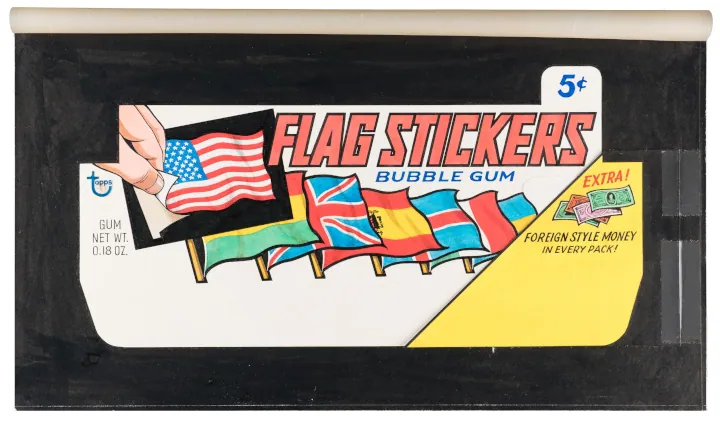
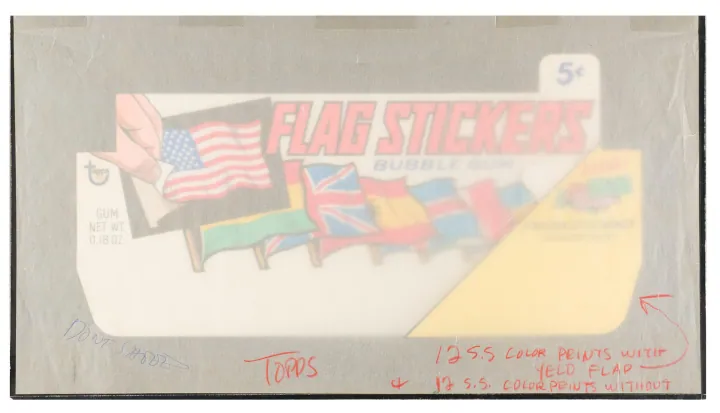
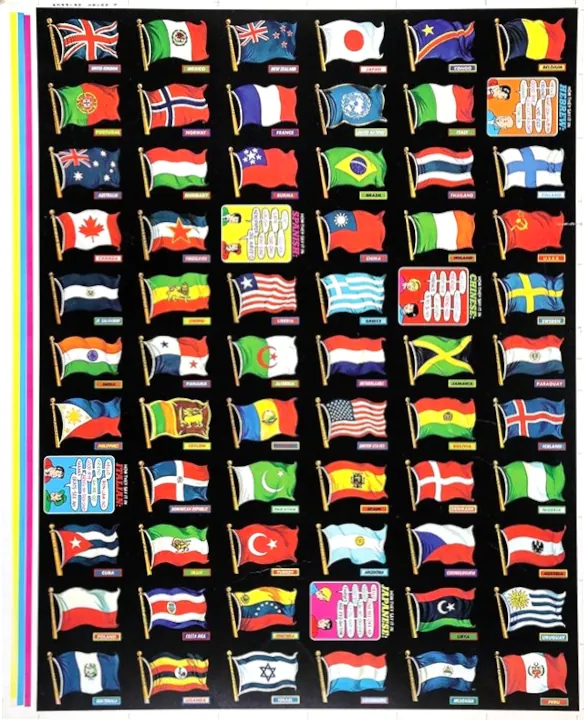
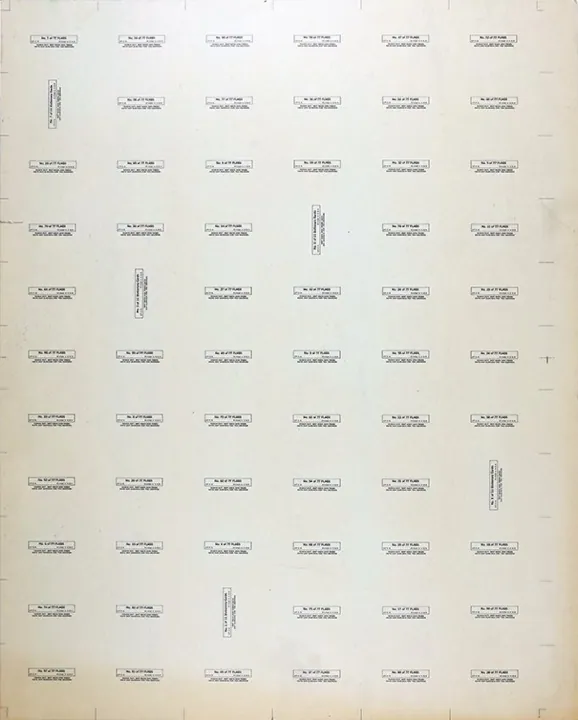
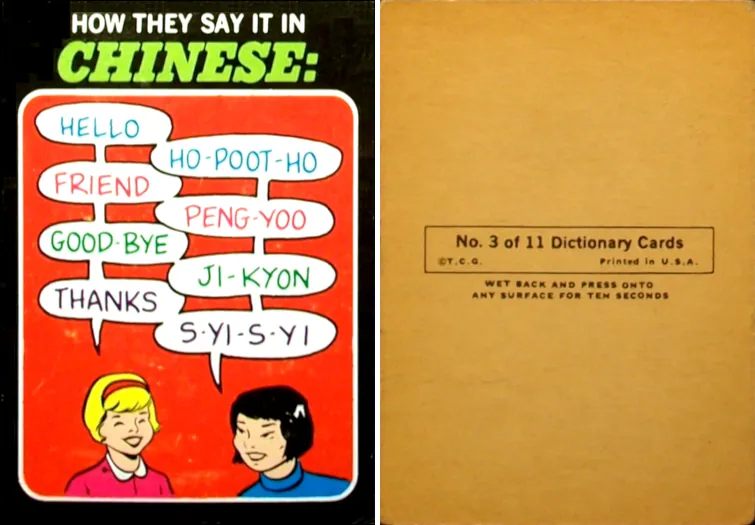
There is a very high likelihood that Topps tested the 1970 “Flags of the World” cards once they were ready, but no wrappers or boxes are known to exist. Original artwork for a box lid that is different from the final retail box exists. The uncut proof sheet images may be from the second test as it lists 11 dictionary cards instead of the issued 5… an image of one of those cards found in the wild is also shown. So this listing may be a combination of two different tests, but until more information turns up, all items will be listed here.
See also “Flags of the World”.
Card content and design copyright 1969 Topps Chewing Gum, Inc. All rights reserved.
Photos (18)
Checklist (88)
Cards (80)
At this time, it is unknown if there are any differences between the original 1956 cards and the cards reprinted for this test. See "Flags of the World" 1956 for card images.
- Numbering
- 1-80
- Dimensions
- 3 3/4" W by 2 5/8" H
| # | Card | Photo |
|---|---|---|
| 1 | United States | |
| 2 | Iran | |
| 3 | Ei Salvador | |
| 4 | Syria | |
| 5 | Ceylon | |
| 6 | Peru | |
| 7 | Turkey | |
| 8 | Honduras | |
| 9 | Union Of South Africa | |
| 10 | Bolivia | |
| 11 | Burma | |
| 12 | Venezuela | |
| 13 | Greece | |
| 14 | Costa Rica | |
| 15 | Ireland | |
| 16 | Haiti | |
| 17 | Iceland | |
| 18 | China Nationalist | |
| 19 | Canada | |
| 20 | Indonesia | |
| 21 | Argentina | |
| 22 | Panama | |
| 23 | Russia | |
| 24 | Austria | |
| 25 | Liberia | |
| 26 | Great Britain | |
| 27 | Albania | |
| 28 | Bulgaria | |
| 29 | Israel | |
| 30 | Saudi Arabia | |
| 31 | Rumania | |
| 32 | China People's Republic | |
| 33 | Lebanon | |
| 34 | India | |
| 35 | Colombia | |
| 36 | Japan | |
| 37 | South Korea | |
| 38 | Hungary | |
| 39 | Switzerland | |
| 40 | France | |
| 41 | Philippines | |
| 42 | Brazil | |
| 43 | Iraq | |
| 44 | Denmark | |
| 45 | Nicaragua | |
| 46 | Afghanistan | |
| 47 | Portugal | |
| 48 | Ethiopia | |
| 49 | Poland | |
| 50 | Cuba | |
| 51 | Algeria | |
| 52 | Tibet | |
| 53 | Thailand | |
| 54 | Spain | |
| 55 | Germany West | |
| 56 | Luxemburg | |
| 57 | Paraguay | |
| 58 | Italy | |
| 59 | Australia | |
| 60 | Uruguay | |
| 61 | Ecuador | |
| 62 | Indochina | |
| 63 | Yugoslavia | |
| 64 | Libya | |
| 65 | Sweden | |
| 66 | Czechoslovakia | |
| 67 | Mexico | |
| 68 | New Zealand | |
| 69 | Chile | |
| 70 | Jordon | |
| 71 | Egypt | |
| 72 | Pakistan | |
| 73 | Dominican Republic | |
| 74 | Finland | |
| 75 | Belgium | |
| 76 | Netherlands | |
| 77 | Norway | |
| 78 | Guatemala | |
| 79 | Monaco | |
| 80 | United Nations |
Display Box (4)
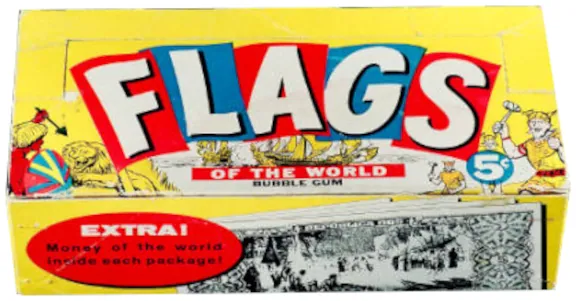
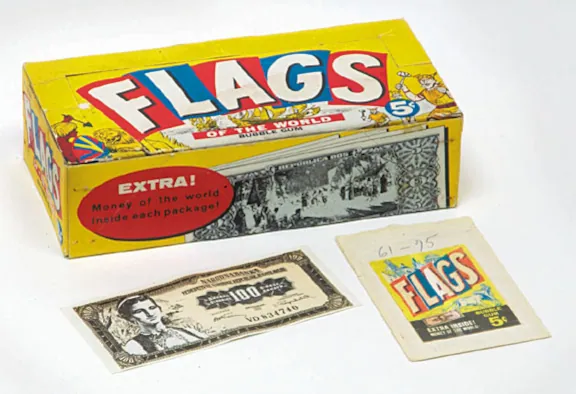
Topps reused their 1956 design and added blurbs about the "Money of the World" found inside packages. The alternative box original artwork shows that Topps originally planned "peel 'n stick" stickers instead of the "wet back and stick" die-cut stickers they finally retailed. The editorial notes shows they were also still deciding on whether or not to insert the "Money of the World"currency.
- Numbering
- Unnumbered
| # | Card | Photo |
|---|---|---|
| (1) | Display Box | |
| (2) | Display Box, Envelope And Currency | |
| (3) | Original Art - Alternative Box | |
| (4) | Original Art - Alternative Box | |
Money Of The World (4)
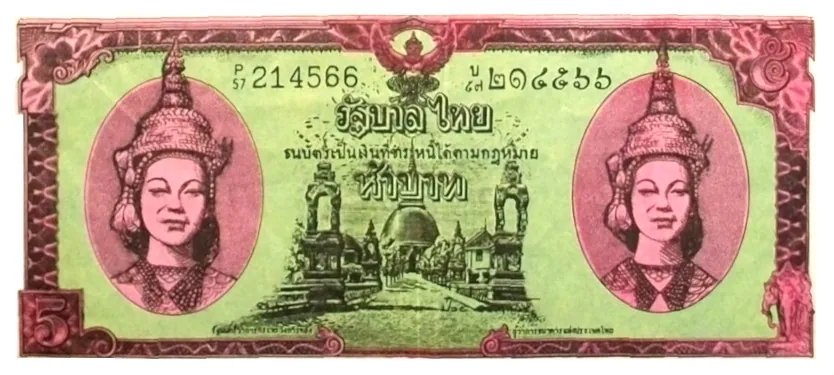
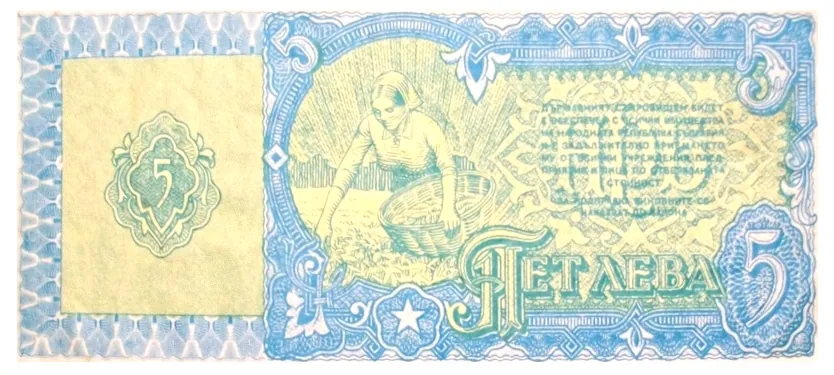
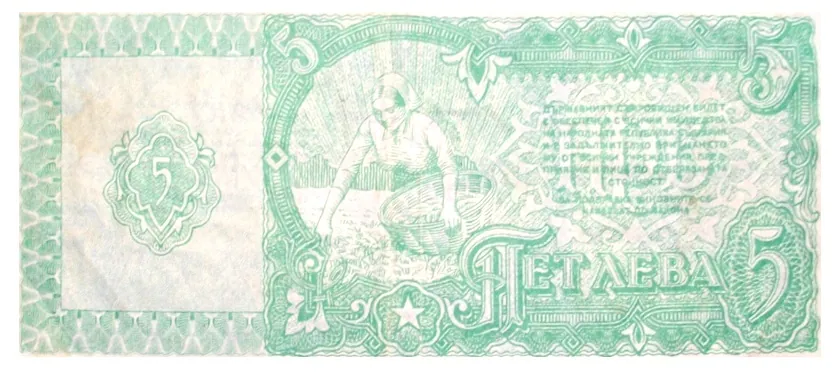
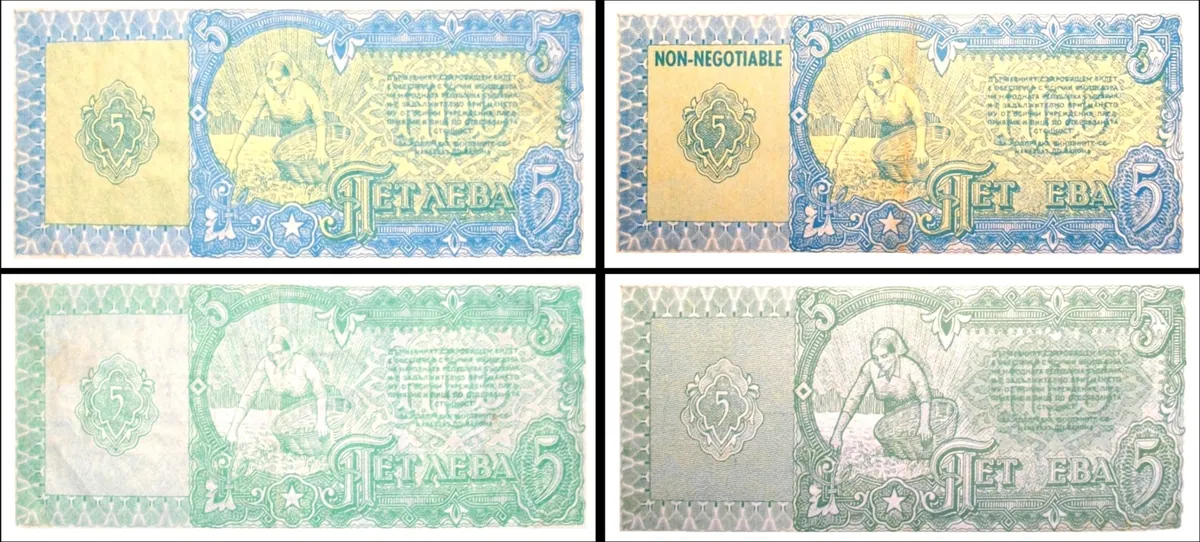
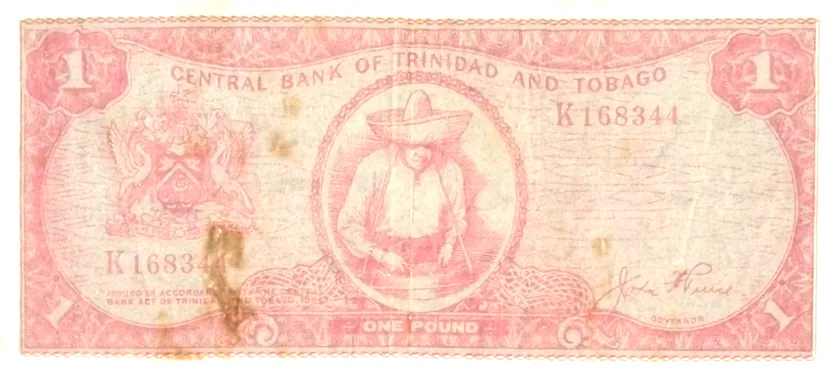
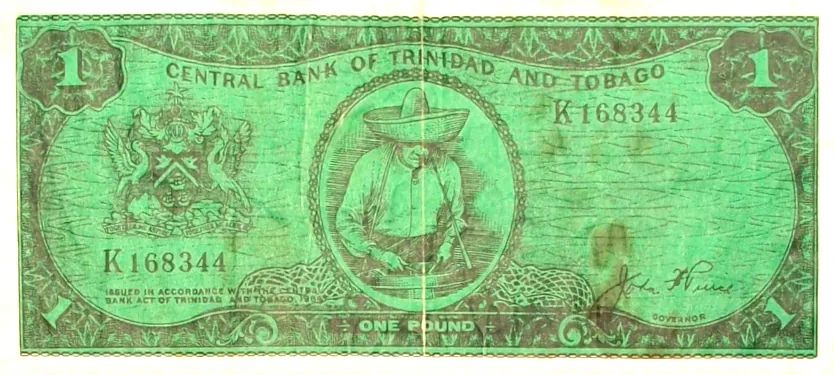
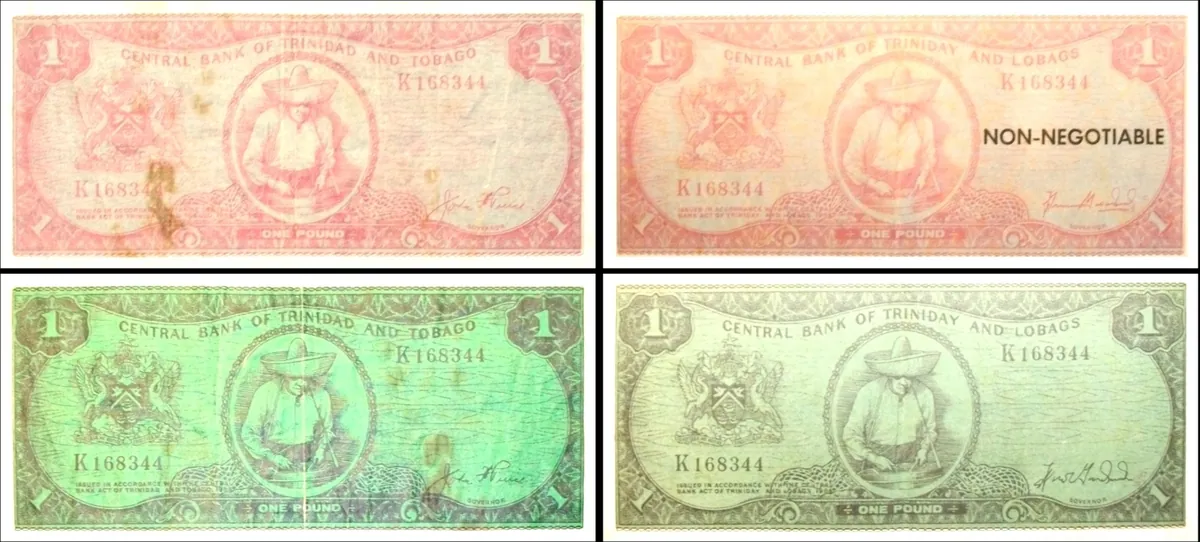
It is unknown if all 17 of the pieces of foreign currency that were issued in the final 1970 retail set were tested. Test currency does not have the "NON-NEGOTIABLE" blurb printed on them as the retail currency does. Also, there were some changes in the artwork and text between the test and retail currency. For example, "Trinidad and Tobago" in the test, became "Triniday and Lobags" for retail and "Hetaeba" in the test became "Het eba" in retail. It seems real place names were used during the test and changed to nonsense names for retail. At least 5 different currencies known to exist.
- Numbering
- Unnumbered
- Dimensions
- 5 9/16" W by 2 1/2" H
| # | Card | Photo |
|---|---|---|
| (1) | (India?) 5 Rupee 214566 | |
| (2) | Hetaeba 5 NN | |
| (3) | Slovakia 100 Dinara VD834740 | |
| (4) | Trinidad And Tobago 1 Pound K168344 | |
Envelope (Paper)
Oversized paper envelope to hold the larger 1956 flag reprint cards.
- Numbering
- Unnumbered
Pack (Paper)
- Numbering
- Unnumbered
Display Box Full
- Numbering
- Unnumbered
Uncut Sheet
- Numbering
- Unnumbered
About Topps Chewing Gum, Inc.
Topps Chewing Gum was founded in 1938 by the four Shorin brothers of Brooklyn. After World War 2 ended they came up with a winning formula for Bazooka Bubble Gum and started issuing trading cards in 1948. Their 1952 Baseball set is considered an all time classic, as is that year's "Look 'N' See" issue. Establishing Bazooka Joe comics in 1954, Topps then developed the now familiar 2 1/2" x 3 1/2" standard sized card two years later and they quickly became known for their wide line of confectionery products and novelties. Their relentless marketing and premium programs helped establish them as the leading North American issuer of cards by the early 1960's when sets such as "Civil War" and "Mars Attacks!" were sensationalized by the press and the baby boom fed increasingly robust sales. Topps has issued thousands of card sets featuring every subject imaginable since, and their smart-aleck take on popular fads has led to perennial favorites such as "Wacky Packages" and "Garbage Pail Kids". Now a part of Fanatics, Topps continues to issue an impressively large number of sets each year.
- Founder
- Shorin Brothers
- Years of operation
- 1938-1987
- Website
- topps.com